Cargo catalog
The 5 cargo categories that move world trade
Every commodity falls into one of these five logistics classes. Knowing yours defines the equipment, the route and the cost.
Before asking for a quote, it helps to know which category your goods fall into. That decides whether they travel in a standard container, a tanker, the hold of a bulk carrier, a refrigerated unit or on a special platform.
These are the five categories, with examples of what we move in each.
- 1. Containerized general cargo (FCL and LCL) 7
- 2. Liquid bulk cargo 5
- 3. Dry bulk cargo 6
- 4. Refrigerated or perishable cargo 6
- 5. Oversized cargo (project cargo) 6
7 commodities
1. Containerized general cargo (FCL and LCL)
What we look after
High-value goods loaded into standard 20- or 40-foot containers, full (FCL) or shared (LCL). It is the most important category in economic terms.
See the related service- Consumer goods
- Electronics and home appliances
- Apparel, footwear and textiles
- Auto parts
- Toys
- Furniture and homeware
- Light machinery and tools
5 commodities
2. Liquid bulk cargo
What we look after
Fluids moved in large volumes in tankers, ISO tanks or flexitanks. It needs dedicated equipment, certified cleaning and permits that depend on the substance.
See the related service- Crude oil and refined products
- Liquid chemicals
- Liquefied natural gas (LNG)
- Oils and lubricants
- Vegetable oils and juice concentrates
6 commodities
3. Dry bulk cargo
What we look after
Loose minerals and agricultural products loaded straight into a ship's holds, rail hoppers or dump trucks.
See the related service- Coal
- Iron ore and concentrates
- Grains: corn, wheat and soybeans
- Sugar
- Fertilizers
- Steel scrap
6 commodities
4. Refrigerated or perishable cargo
What we look after
Products that need a strict cold chain, chilled (2 to 15 °C) or frozen (-18 to -70 °C), with temperature records from origin to destination.
See the related service- Fresh fruit and vegetables
- Meat, fish and seafood
- Dairy products
- Vaccines and biologic medicines
- Fresh flowers
- Frozen foods
6 commodities
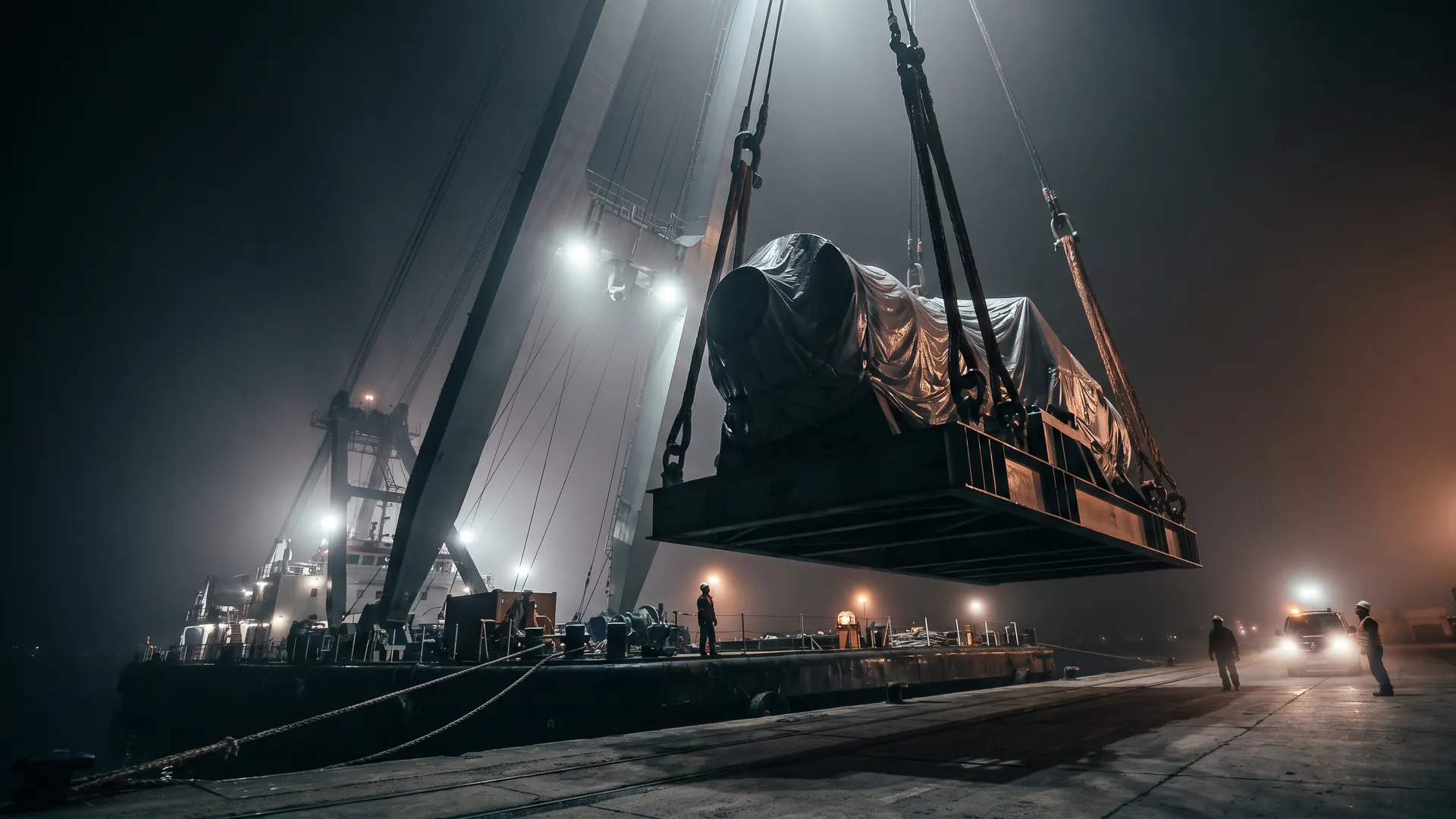
5. Oversized cargo (project cargo)
What we look after
Pieces that exceed the size or weight of a standard container. They need a route survey, special equipment (flat rack, open top, lowboy), crane handling and road permits.
See the related service- Heavy machinery
- Wind turbine blades and towers
- Transformers and turbines
- Structures and infrastructure
- Helicopters and yachts
- Complete production lines
Is your cargo missing from the list?
Tell us what it is, where it ships from and where it is going. If it can be moved legally, we will tell you the route, the mode of transport and the permits it needs.
More lists in the catalog
- 50 commodities
Mexico exports
Vehicles, electronics, medical devices, minerals, food and beverages.
See the full list - 50 commodities
Mexico imports
Electronics, automotive, energy, chemicals, metals and grains.
See the full list - 100 commodities
Air cargo
Technology, pharma, perishables, urgent spares, luxury and valuables.
See the full list - 51 commodities
Cold chain and frozen
Chilled at 2 to 15 °C and frozen at -18 to -70 °C, with traceability.
See the full list - 50 commodities
By transport mode
Full container, consolidated, air and truck: 40 product lines and Mexico's top 10.
See the full list
Frequently asked questions
What clients ask us most
- What is the difference between FCL and LCL?
- FCL (Full Container Load) is a whole container for a single shipper. LCL (Less than Container Load) is consolidated cargo: your goods share a container with other shippers' and you pay only for the space you use. LCL suits small volumes; FCL suits you when you fill the container or want less handling.
- What is bulk cargo?
- Goods that travel loose, without packaging or a container: liquids such as oil, chemicals or edible oils, and solids such as grain, ores or fertilizer. They are loaded straight into ships, tanks or hoppers built for that product.
- What is project or oversized cargo?
- Cargo that does not fit in a standard container because of its size or weight: heavy machinery, wind blades, transformers, vessels or aircraft. It is planned piece by piece, with a route survey, special equipment and permits.
- How do I know which category my goods belong to?
- It depends on their physical state, packaging, temperature and dimensions. Send us the description, weight and measurements and we will tell you the category, the equipment and the mode of transport that fits best.