Ocean Freight · China to Mexico
Ocean freight from China to Mexico: routes, transit times and real costs
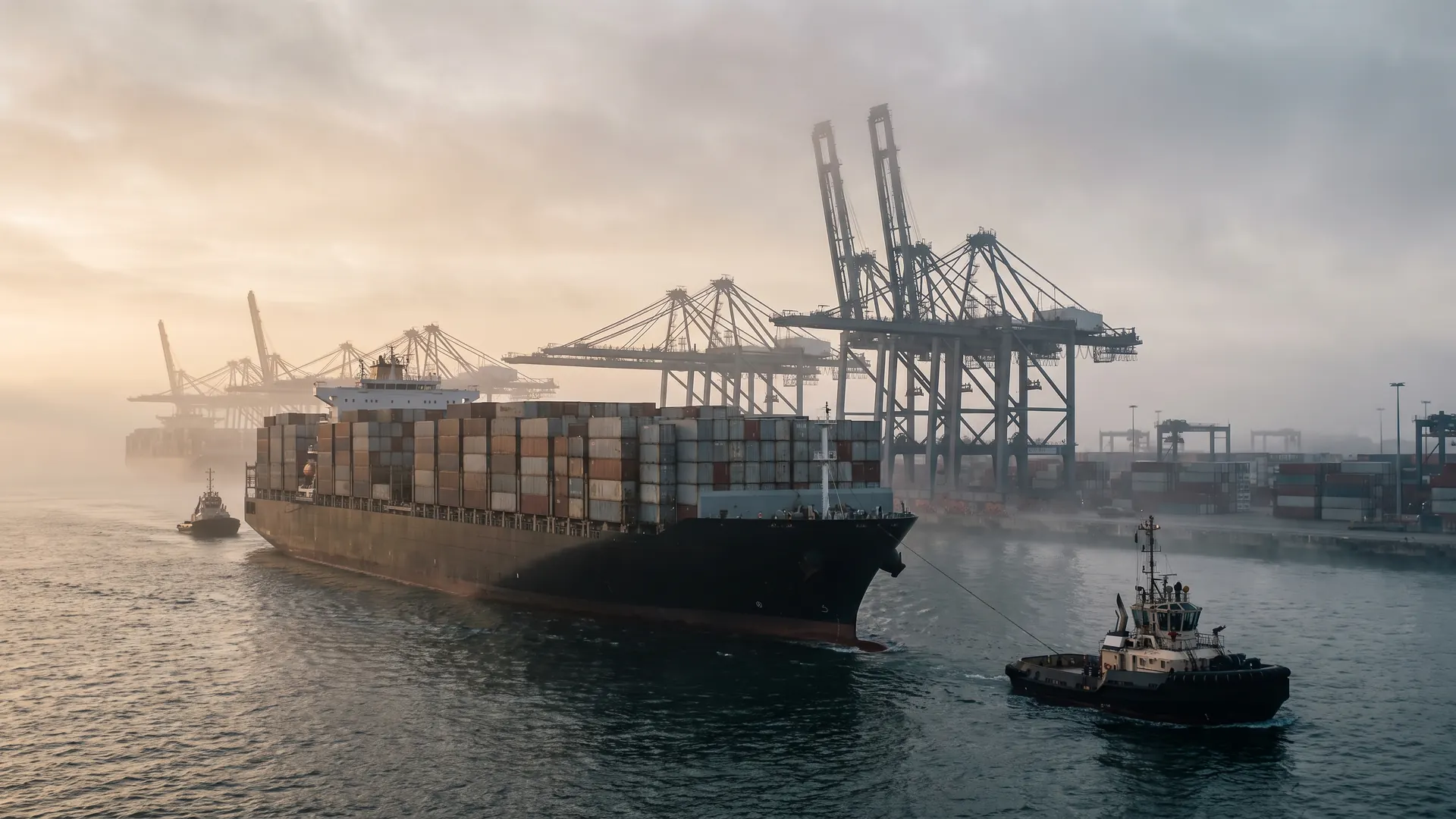
Direct Pacific service and Gulf routing via the Panama Canal, with Mexican customs clearance pre-validated before arrival so the container leaves the terminal the day it is released.
Short answer
Pacific or Gulf: the routing decision
Manzanillo and Lázaro Cárdenas receive direct transpacific service and are the natural gateway to central Mexico, the west and the Bajío. Veracruz and Altamira add the Panama Canal and, in practice, about two more weeks, but can work out better when the final destination is in the northeast or the Gulf and the inland trucking savings offset the extra time at sea.
| Routing | Mexican ports | Ocean transit | Best for |
|---|---|---|---|
| Pacific — direct transpacific service | Manzanillo, Lázaro Cárdenas | ≈ 19–30 days port to port from Shanghai, Ningbo or Yantian; up to about 36 from Qingdao, Xiamen or Tianjin | Central and western Mexico, the Bajío |
| Gulf — via the Panama Canal | Veracruz, Altamira | ≈ 35–48 days port to port | Northeast and the Gulf region, when inland savings offset the extra sea time |
Approximate port-to-port ranges under normal service conditions: planning estimates, not delivery commitments. They exclude origin consolidation, customs clearance and final delivery. Door to door, a full container (FCL) takes roughly 30–45 days on the main lanes (Shanghai, Ningbo, Yantian, Qingdao and Xiamen to their usual port) and up to about 53 days on cross lanes or from northern ports such as Tianjin. Actual timing depends on the schedule and carrier assigned to each shipment.
How we work
Before the order ships, we can verify the supplier and inspect the goods at origin. We book FCL or LCL space, and while the vessel is in transit our partner licensed customs broker prepares the Mexican customs entry — Kold Gold does not hold its own customs broker license. The goal is simple: the entry is paid the day the ship arrives, the container leaves the terminal inside its free time, and the truck to your plant is already assigned. Shipments are tracked 24/7; cargo insurance is available on request.
FCL or LCL for your volume
Below 13 to 15 m³, LCL is usually cheaper on the rate but pays deconsolidation at destination and adds days in the bonded warehouse. Above that, a standard 20-foot container with about 28 m³ usable almost always wins; for bulky cargo, a 40-foot High Cube with about 76 m³ improves the cost per cubic meter noticeably. For dense products — hardware, metal parts, packaged chemicals — the payload limit is what matters.
Documents to have ready
- Commercial invoice and packing list from the supplier
- Bill of lading (or sea waybill) for the container or LCL lot
- Tariff classification of each product, documented before shipment
- Mexican standards (NOM) certificates and labeling where the classification requires them
- Importers Registry (Padrón de Importadores) — filed by the importer; we verify it before booking
- Any permit or non-tariff requirement tied to the tariff classification
What the landed cost is made of
Ocean freight is rarely half the bill. On top of the goods come origin charges, ocean freight with fuel and seasonal surcharges, destination terminal handling and then the tax block. That block is calculated on the customs value — under Mexico's Customs Law, the transaction value plus freight, insurance and handling up to the point of entry — so expensive freight also raises the tax. Duty, the customs processing fee (DTA) and 16% VAT apply on that basis, plus the customs broker's fees. Model it before you issue the purchase order with the landed cost calculator.
Frequently asked questions
What clients ask us most
Quote your shipment from China
Share the origin port, volume or number of containers, product description and final destination in Mexico. We come back with routing, schedule, negotiated free time and the cost delivered to your plant.
WhatsApp or phone: +1 (619) 359-6567·+52 55 8897 4255·direccion@kold.gold
Informational only — not legal, tax or customs advice. Legal basis: Mexico's Customs Law (customs value and incrementables), the TIGIE tariff schedule and tariff-modification decrees in force, ICC Incoterms 2020, NOM-050-SCFI, NOM-024-SCFI and NOM-003-SCFI. Check the tariff classification, duty and any countervailing duties for each product.·Last reviewed: October 15, 2026