Pillar · Ground Transportation
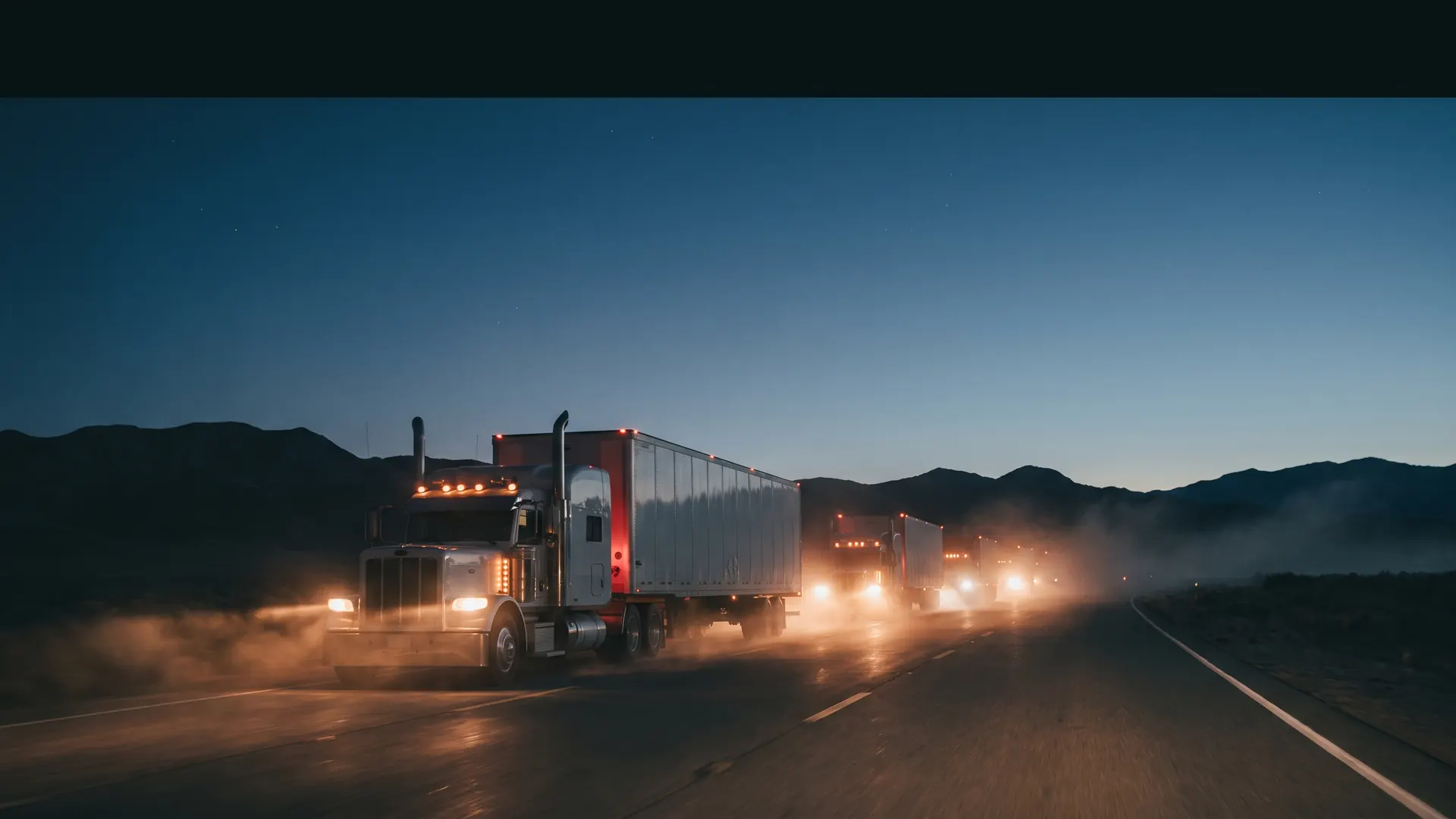
Domestic trucking and cross-border transportation between Mexico and the United States
We move your cargo by road with FTL, LTL, drayage, and border crossings, integrating customs clearance and end-to-end GPS tracking.
How it works
A binational highway network
We coordinate owned and partner trucking to move dry, refrigerated, and project cargo between Mexico and the United States, with border transfer, integrated customs clearance, and full traceability on the Kold Gold portal.
FTL and LTL
Full truckload and consolidated freight with dry, refrigerated, and flatbed equipment matched to your cargo.
Border crossings
Laredo, Nuevo Laredo, Nogales, Tijuana, Ciudad Juárez, and Mesa de Otay with specialized transfer.
Drayage & intermodal
Port-to-plant container drayage and rail connections for long distances.
National last mile
Distribution across Mexico with delivery tracking and proof of receipt.
Integrated customs
Clearance and crossing coordinated with our own customs license to avoid dead time.
GPS tracking, 24/7
Real-time visibility of every unit and automated alerts for detours or delays.
Border crossings where we operate
Each crossing carries its own operational load and variable wait times.
Nuevo Laredo
Specialized transfer
Laredo (TX)
Specialized transfer
Nogales
Specialized transfer
Tijuana / Otay
Specialized transfer
Ciudad Juárez
Specialized transfer
El Paso (TX)
Specialized transfer
Reynosa
Specialized transfer
Mexicali
Specialized transfer

Detail
The last stretch runs on roads, whatever crossed the ocean or the sky.
FTL vs. LTL: the same logic as FCL/LCL in ocean freight
If your volume fills or nearly fills a truck, FTL is usually cheaper per kilo and the route is direct, with no consolidation stops. If your volume is smaller, LTL lets you pay only for the space you use, consolidated with other shippers' cargo — in exchange for additional consolidation time and more handling of your cargo along the route.
Carta porte and traceability, not just the truck
Every trip departs with the carta porte tax complement correctly issued before the unit leaves — the fiscal document that keeps a truck from being held at a highway inspection over incomplete paperwork. Together with GPS tracking and automated detour alerts, this turns every ground shipment into an operation with complete documentary evidence, not just "the truck arrived or it didn't."
Explore other services
Preguntas frecuentes